Support your immune system: Your guide to vitamin C, zinc and vitamin D
Want to give your body a little extra in a busy everyday life? Get an overview of vitamin C, zinc and vitamin D, what they contribute, how absorption is affected, and how to put together a simple daily routine.

Do you feel that everyday life is wearing you down, too little sleep, too much to do, and a diet that is not always as varied as you would like? Then you are not alone. Many look for an easy way to give the body a little extra, especially in the dark months when the immune system is put to the test. The good news is that a few well-chosen vitamins and minerals can be a practical supplement to a healthy lifestyle. In this guide we take a closer look at three of the most talked about, vitamin C, zinc and vitamin D, what each of them contributes according to the official EU-approved claims, how the body absorbs them, and how to put together a simple daily routine.
Important from the start: Supplements are a supplement to the diet, not a replacement for varied food, sleep and exercise, and they are not a treatment for disease. If you are pregnant, breastfeeding, taking medication or have a chronic condition, talk to your doctor before starting new supplements.
Key takeaways
- Vitamin C, zinc and vitamin D all contribute to the normal function of the immune system (EU-approved claims).
- Supplements are a supplement to a varied diet, not a replacement or a treatment.
- The liposomal form is developed with a focus on absorption; always follow the dosage on the packaging.
- Vitamin D is especially relevant in the winter half-year, when the sun is low in Denmark.
- Talk to your doctor or pharmacist if you are pregnant, breastfeeding or taking medication.
Why do so many talk about the immune system in winter?
When the days become short and cold, we spend more time indoors close to one another, and the body gets less sunlight. At the same time, a busy everyday life can mean less sleep and a more monotonous diet. It is a combination that makes many wonder whether they are getting enough of the nutrients the body needs.
The immune system is not a single thing, but a complex interplay of cells and processes throughout the body. No single pill can "boost" it, but several vitamins and minerals are part of the body's normal function, and this is where a well-composed supplement can be a sensible addition if the diet does not cover the need. You can read more about the individual nutrients at the Danish authorities Fødevarestyrelsen and Sundhedsstyrelsen.
Vitamin C: The classic choice
Vitamin C (ascorbic acid) is probably the best-known supplement of all. It is a water-soluble vitamin that the body cannot produce itself or store in larger amounts, so we need to take it in regularly through the diet.
According to the EU-approved claims, vitamin C contributes to the normal function of the immune system and to the reduction of tiredness and fatigue. It also contributes to normal energy metabolism and to normal collagen formation, which is important for skin and blood vessels, among other things.
Where do you get vitamin C from in the diet?
Fresh vegetables and fruit are the best sources. Particularly rich are:
- Citrus fruits, kiwi and berries
- Peppers, broccoli and kale
- Potatoes (an important source in the Danish diet)
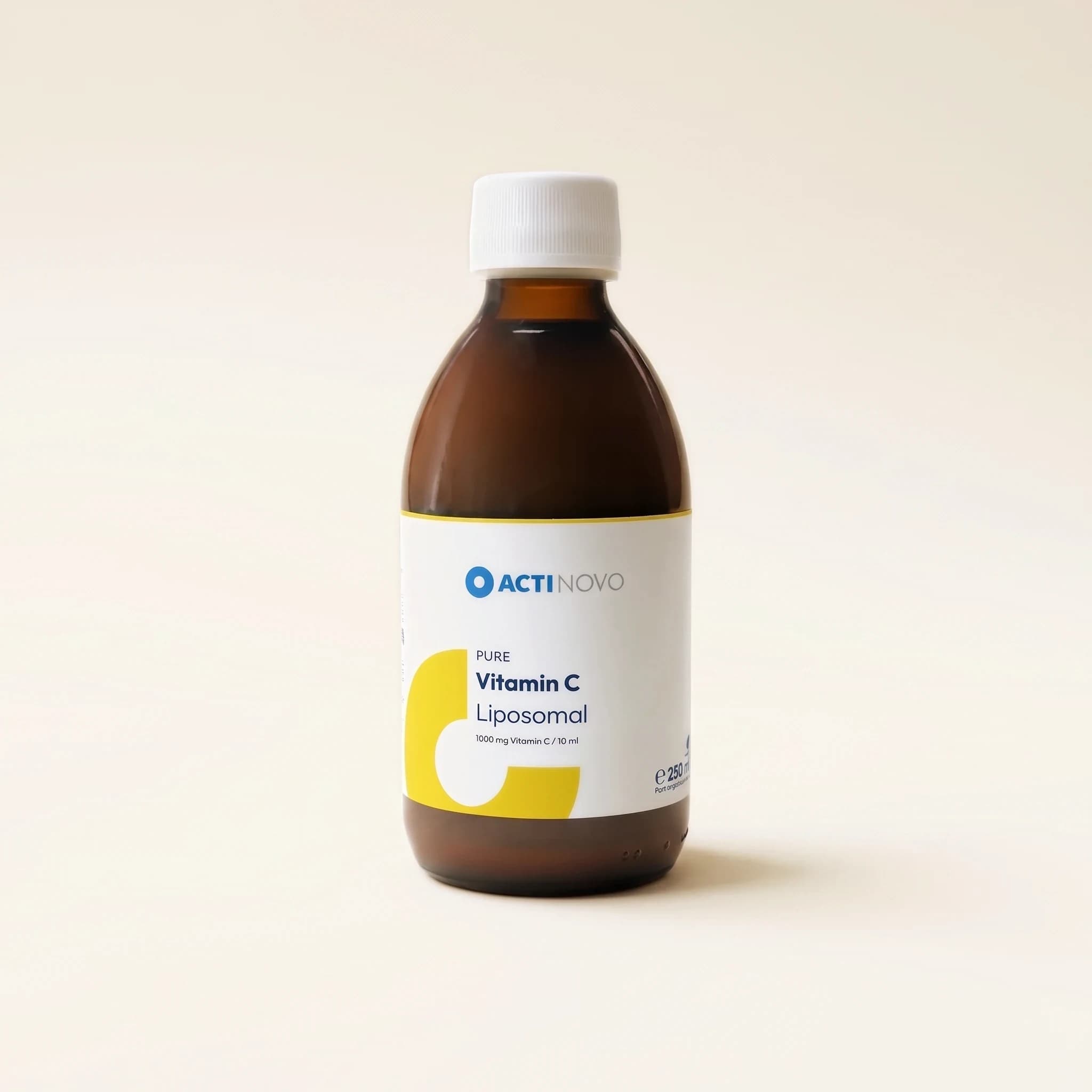
A varied diet covers the need for most people. A supplement may be relevant in periods when the diet is monotonous. ByLykke Vitamin C in liposomal form is developed with a focus on absorption and is easy to take as a fixed part of the morning routine.
Zinc: A mineral with many roles
Zinc is an essential trace element involved in countless processes in the body. Like vitamin C, zinc contributes to the normal function of the immune system according to the EU-approved claims. Zinc also contributes to protecting cells against oxidative stress and to maintaining normal skin, hair and nails.
Zinc and vitamin C together
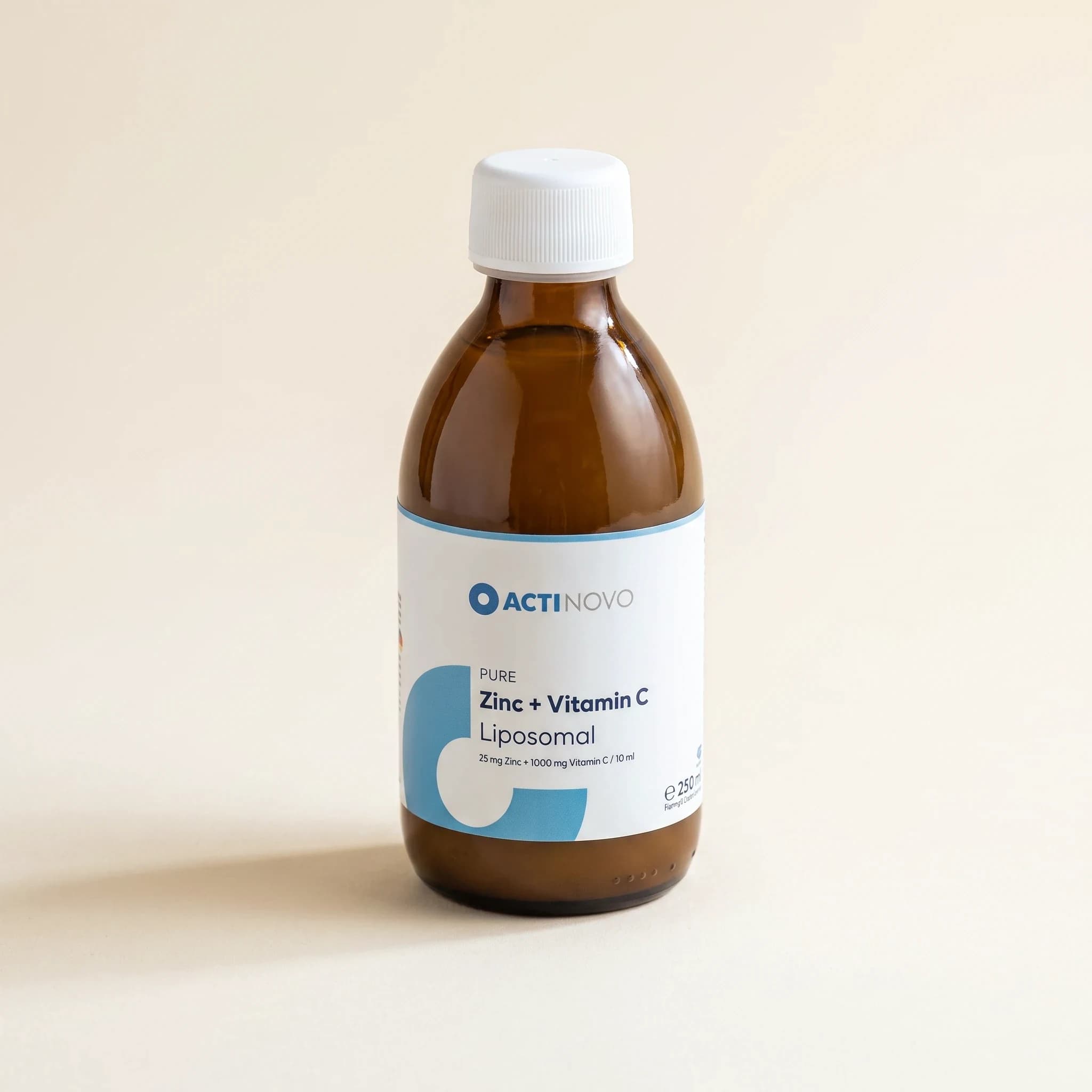
Many choose to take zinc and vitamin C together because the two complement each other in a dietary context. ByLykke Zinc + Vitamin C combines exactly the two in one liquid, liposomal form, so you avoid two separate products. Good sources of zinc in the diet are meat, shellfish, whole grains, nuts and seeds.
Vitamin D: The Danish winter vitamin
Vitamin D holds a special place in Denmark. The body produces vitamin D itself when the skin is exposed to sunlight, but from around October to April the sun is so low at our latitudes that production practically stops. Therefore the Danish Health Authority recommends several groups to take vitamin D as a supplement, especially in winter.
According to the EU-approved claims, vitamin D contributes to the normal function of the immune system and to the maintenance of normal bones, partly because it is important for the body's absorption of calcium.
Why D3 and K2 together?
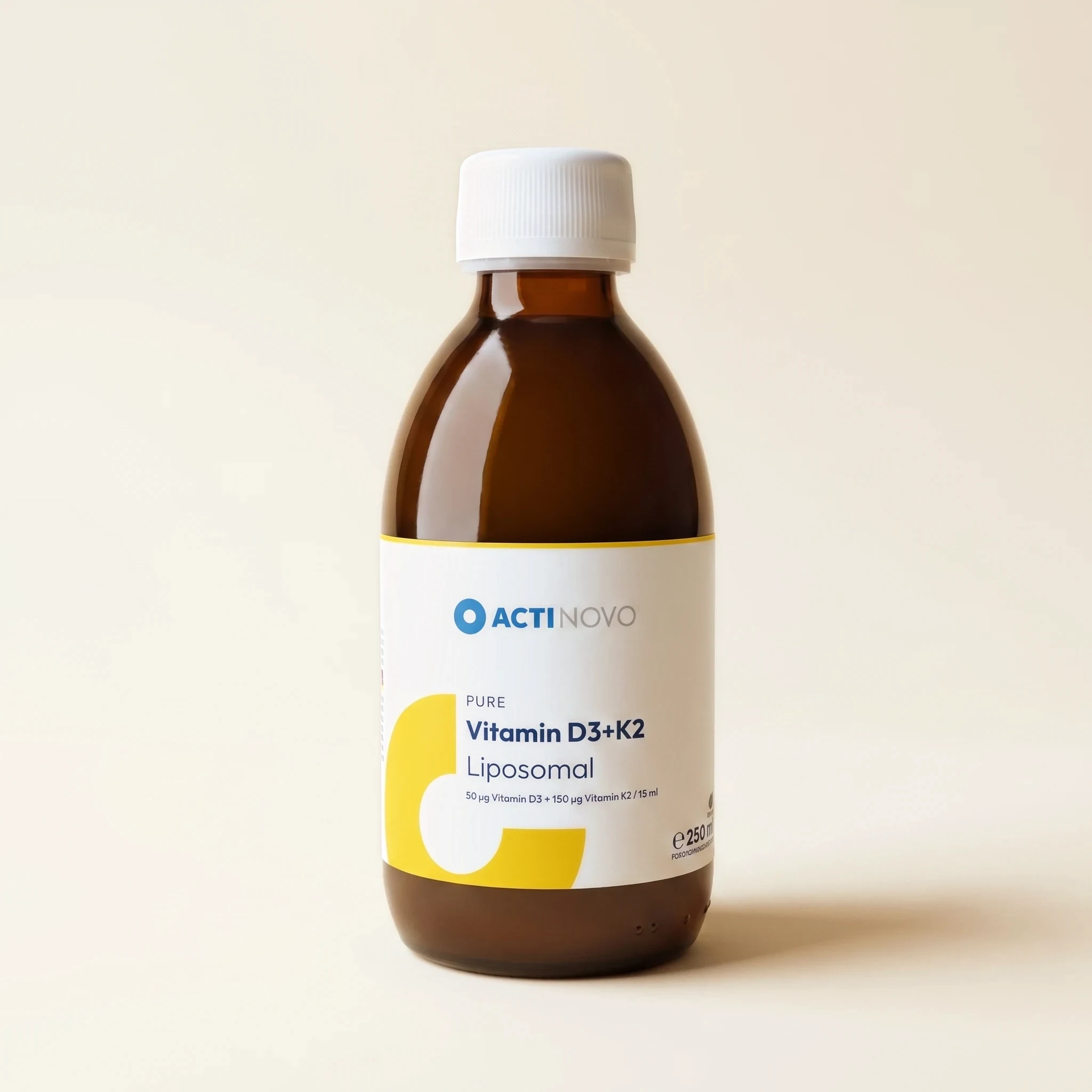
Vitamin D comes as D2 and D3; D3 is the form the body produces in the skin. K2 is often included together with D3 in supplements because the two vitamins work together in the body's normal handling of calcium, K2 contributes to the maintenance of normal bones. ByLykke Vitamin D3 + K2 combines them in one liposomal drop that is easy to dose.
Absorption: Why people talk about the liposomal form
A supplement only helps to the extent the body can absorb it. Liposomal technology encapsulates the nutrient in tiny fat bubbles (liposomes) that resemble the body's own cell membranes. The idea is that this form protects the contents on the way through digestion. You can read a neutral introduction to liposomes in our article What are liposomes?.
Regardless of the form, however, it always applies: follow the recommended daily dose on the packaging, and do not take more in the hope of a faster effect. More is not better.
How to put together a simple daily routine
A routine you actually remember beats a complicated one you skip. Here is how a simple everyday routine can look:
- Morning: Take vitamin C (and possibly zinc) together with breakfast.
- Morning or lunch: Take vitamin D with a meal containing some fat, as vitamin D is fat-soluble.
- Be consistent: Place the supplements somewhere visible so they become a habit.
- Take breaks as needed: Many take vitamin D in winter and pause in summer, when the sun does some of the work.
What a supplement cannot do
It is worth repeating: supplements are a supplement, not a miracle cure. The most important building blocks of a well-functioning immune system are still the boring but effective habits:
- Sleep: Prioritise a regular daily rhythm.
- Diet: Eat varied with plenty of greens.
- Exercise: Daily activity, preferably outdoors.
- Stress: Find breaks in everyday life.
Supplements can fill gaps, but they cannot replace the foundation.
Dosage and safety: How to take supplements sensibly
Vitamins and minerals are not harmless just because they are "natural". In particular, the fat-soluble vitamins (A, D, E and K) are stored in the body and can accumulate if you take much more than recommended over a long time. Therefore the authorities set both recommended intakes and upper limits.
Follow the dosage on the packaging
The most important rule is simple: take the amount stated on the packaging, and no more. Manufacturers dose according to the official recommendations, and a higher dose does not give a faster or better effect, the body only absorbs what it can use.
Be aware of the total intake
If you take several products, note whether they overlap. A multivitamin, a separate vitamin D and an immune kit can together provide more of the same substance than you expect. Read the labels and stay within the recommended amounts for each nutrient. If in doubt, the pharmacy can always help.
Who should be extra careful?
- Pregnant and breastfeeding women have special needs and should only take supplements in consultation with their own doctor.
- People in medical treatment, some supplements can affect the absorption or effect of medication.
- Children should have products intended for their age, never adult doses.
Three myths about vitamins and the immune system
Myth 1: "More vitamin C makes me recover faster."
Vitamin C contributes to the normal function of the immune system, but megadoses do not make the body "more well". The water-soluble excess is simply excreted again. A stable, daily amount is more sensible than large bursts.
Myth 2: "Natural supplements cannot be overdosed."
Wrong. Fat-soluble vitamins in particular can accumulate. "Natural" does not mean "unlimited", the dosage on the packaging applies.
Myth 3: "Supplements can replace a healthy diet."
No. A supplement is by definition a supplement. Real food contains fibre, phytochemicals and an interplay of nutrients that no pill can copy.
Frequently asked questions
Which vitamins are best for the immune system?
Vitamin C, zinc and vitamin D are all EU-approved to contribute to the normal function of the immune system. They work best as part of a varied diet and a healthy lifestyle, not as standalone miracle cures.
When during the day should I take the supplements?
Vitamin C and zinc can be taken in the morning with breakfast. Vitamin D is best absorbed together with a meal containing some fat, as it is fat-soluble.
Can I take vitamin C, zinc and vitamin D at the same time?
Yes, many take them together, and they do not counteract each other. Just be aware of the total daily dose from all your supplements, and do not exceed the recommended amount.
Why is vitamin D especially recommended in winter in Denmark?
Because the sun is too low from October to April for the skin to produce vitamin D. The Health Authority recommends several groups a daily supplement in the winter half-year.
What does liposomal mean?
Liposomal means the nutrient is encapsulated in tiny fat bubbles that resemble the body's own cell membranes. It is a form developed with a focus on absorption.
Is it dangerous to take too much?
Some vitamins and minerals can be harmful in very high doses over time, especially the fat-soluble ones. Always follow the dosage on the packaging, and ask your doctor or pharmacist if in doubt.
Can children take the same supplements as adults?
No. Choose products intended for children and follow the age guidance. Talk to your own doctor if necessary.
Do supplements replace a healthy diet?
No. Supplements are a supplement to a varied diet, not a replacement for real food.
How long before I feel an effect?
Supplements are not fast-acting remedies. They are part of the body's normal function over time and should be seen as part of a fixed, healthy routine.
What if I take medication?
Some supplements can affect the absorption or effect of medication. Always talk to your doctor or pharmacist if you are in regular medical treatment.
Supplements should not replace a varied diet and a healthy lifestyle. Do not exceed the recommended daily dose. Seek a doctor in case of illness.
Products that suit this article