Fragrance-free skincare for sensitive skin: A simple morning and evening routine
Fragrance-free skincare doesn’t have to be complicated. Learn how to combine a gentle cleanser, serum, cream, oil and sun protection into a gentle routine for sensitive skin.
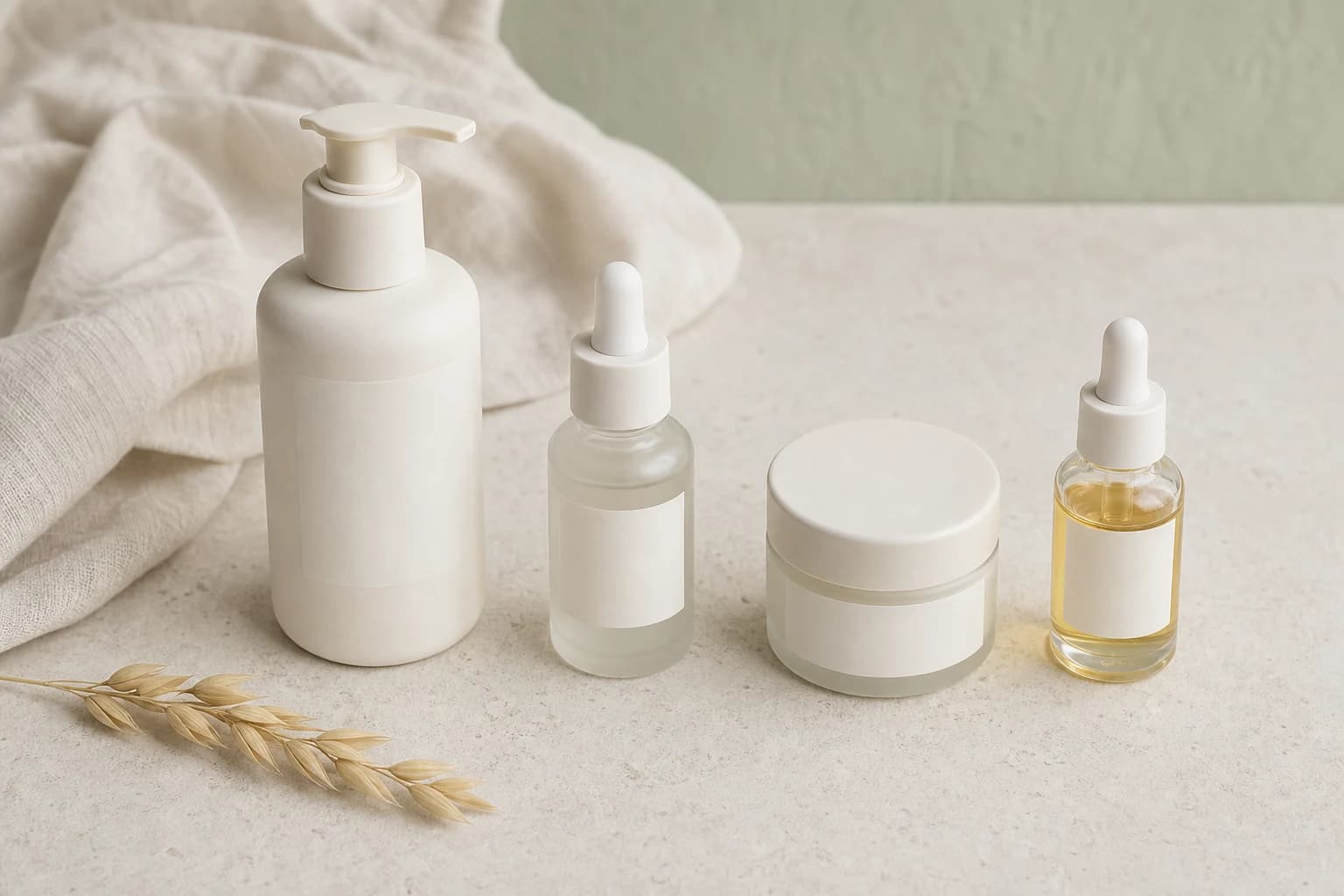
Fragrance-free skincare is a simple starting point when your skin tends to feel tight, dry or irritated. The most important thing isn’t the number of products, but that each step has a clear purpose, and that you give your skin time to show what it thrives on. Here’s a straightforward morning and evening routine.
Why choose fragrance-free skincare?
Fragrance adds scent, but isn’t necessary for skincare. For some people, fragrance is no problem, whilst others experience irritation or develop contact allergies. A fragrance-free routine removes one unnecessary variable when you’re trying to keep your skincare simple.
However, fragrance-free skincare is no guarantee against reactions, as the skin may also react to other ingredients.
‘Fragrance-free’ is not the same as ‘odourless’. Raw ingredients may have their own faint scent. Look out for the word ‘parfum’ or ‘fragrance’ in the ingredients list, and bear in mind that essential oils and plant extracts may also contain fragrances.
Morning routine for sensitive skin
A good morning routine can be completed in three steps.
1. Gentle cleansing as needed
If your skin feels clean and calm in the morning, lukewarm water may be enough. If you need to cleanse, choose a gentle product and avoid scrubbing. ByLykke Facial Soap for Sensitive Skin is an example of a simple cleansing product; as with all skincare, stop using it if your skin reacts.
2. Moisturiser
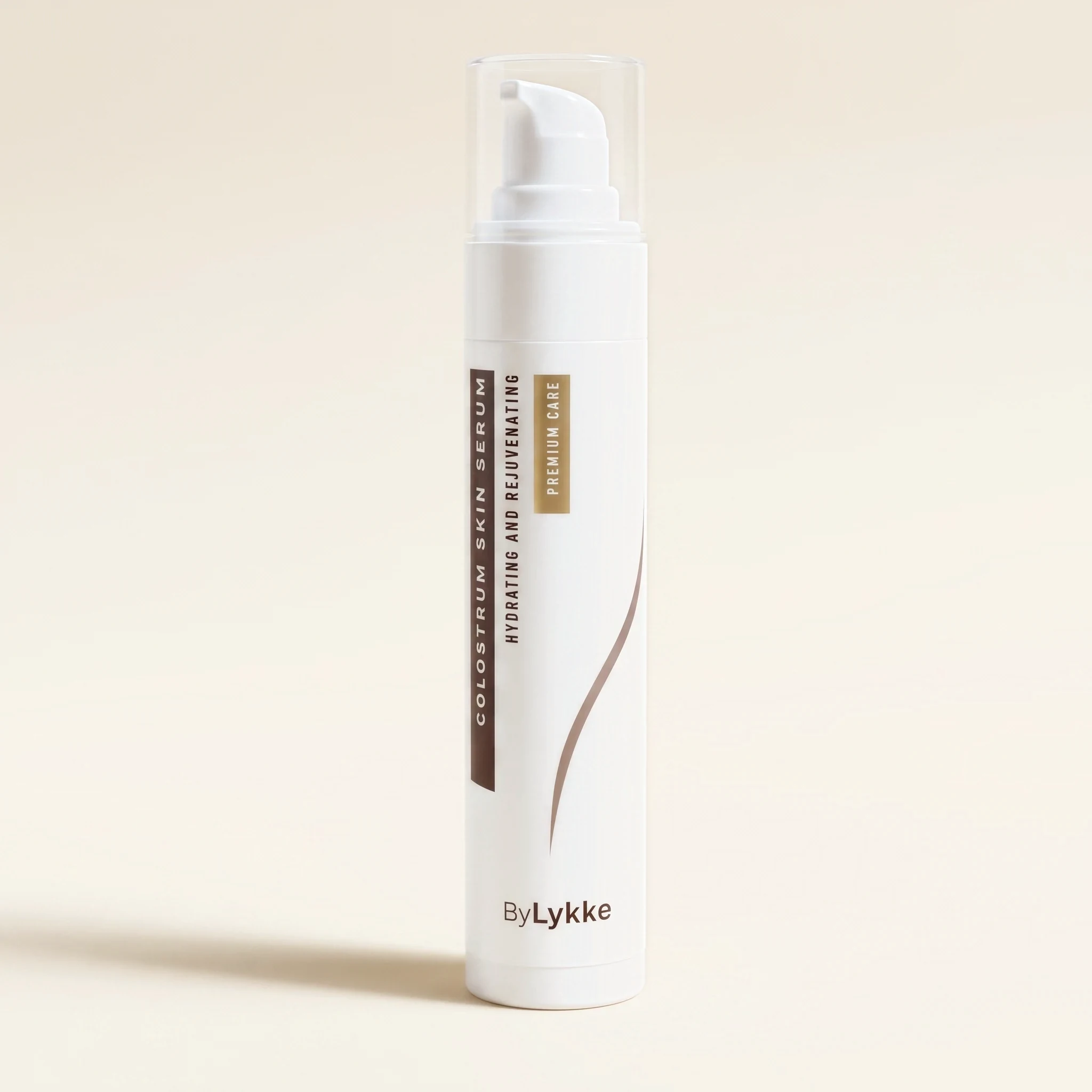
If desired, apply a simple serum followed by a moisturiser. A serum isn’t essential. It can be an extra step if you already know your skin can tolerate it. ByLykke Colostrum Skin Serum can be combined with a fragrance-free moisturiser, but introduce the products one at a time.
Moisturiser helps lock in moisture and reduce that tight feeling. Use a small amount and apply more to areas that feel dry.
3. Sun protection
Finish by applying sun cream to any skin not covered by clothing. Skincare oils and ordinary face creams without a stated sun protection factor are not a substitute for sun cream. Also seek shade, and wear a hat and clothing when the sun is strong.
Evening routine in a few steps
In the evening, remove the day’s sun cream, dirt and any make-up without leaving your skin feeling stripped.
- Cleanse once with a mild product. Double cleansing is only necessary if a single cleanse does not remove everything on your skin.
- Pat your face dry with a clean, soft towel.
- Use a serum if it’s already part of your routine.
- Apply cream in a thin, even layer.
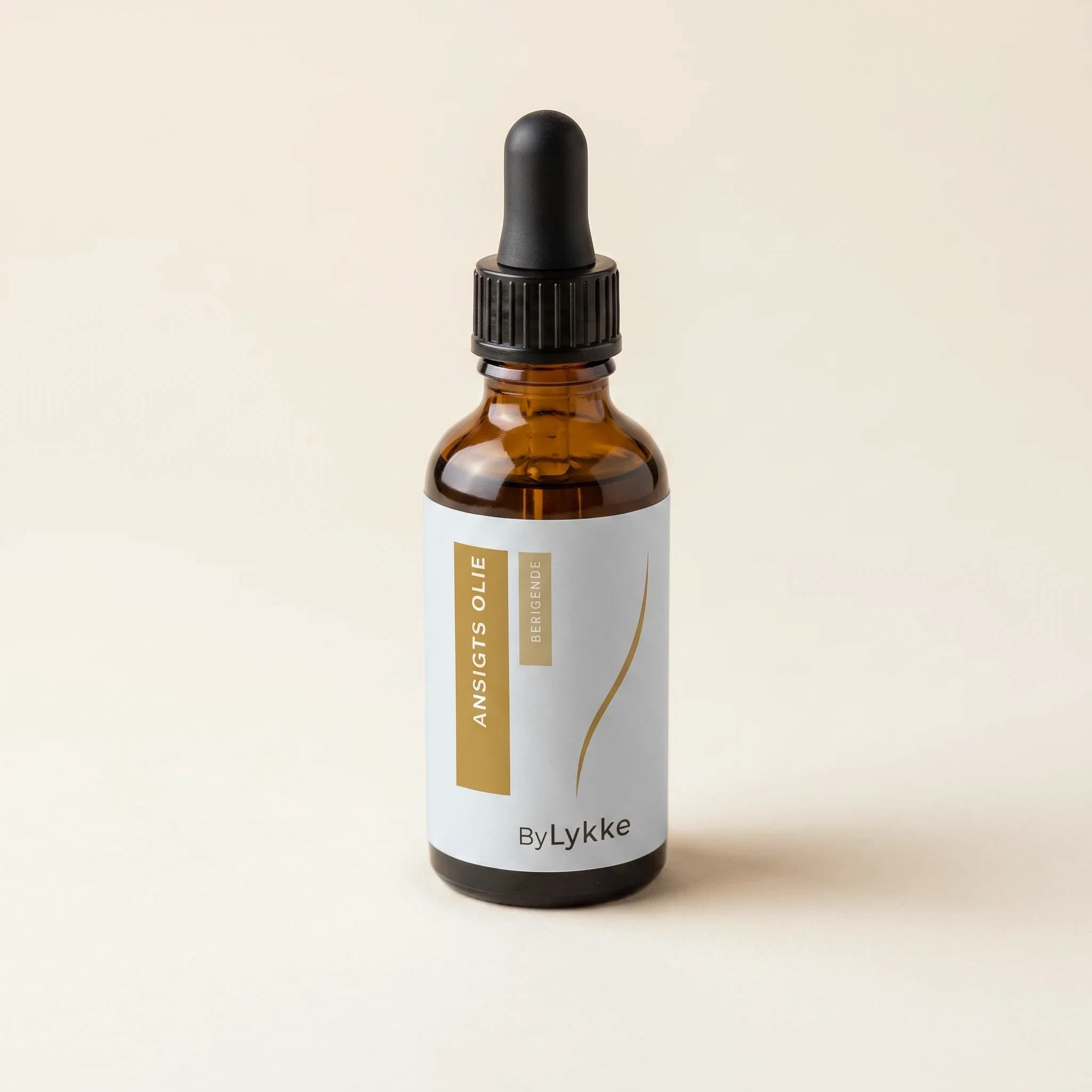
- If desired, press a few drops of organic facial oil onto the driest areas as a final step.
Oil does not add water to the skin. It can help reduce moisture loss, which is why it typically works best on top of moisturiser or on slightly damp skin.
The order: From light to richer
A handy rule of thumb is to start with the most water-based products and finish with the richer ones:
Cleanser → serum → moisturiser → oil → sun cream in the morning.
You don’t need every step. If your cleanser, moisturiser and sun protection work for you, you already have a complete basic routine. More layers aren’t automatically better.
The best fragrance-free skincare is therefore the shortest routine that your skin thrives on and that you can stick to consistently.
How to introduce a new product
Sensitive skin benefits most from predictability. Add only one new product at a time, and keep the rest of your routine unchanged. First, try a small amount on a limited area for a few days. Stop immediately if you experience obvious stinging, itching, swelling or persistent redness.
A home test cannot determine whether you have a contact allergy. If reactions recur, a dermatologist can assess the need for patch tests.
Don’t panic about the ingredients list
A long list of ingredients isn’t automatically a bad thing, and a natural ingredient isn’t automatically gentle. Instead, look for a simple formulation that you can use consistently. If you know you’re allergic to a specific substance, you should, of course, avoid it across all products.
If your skin has reacted, keep the packaging. The full ingredient name is more useful than broad categories such as ‘alcohol’, ‘oil’ or ‘plant extract’.
When your skin is highly reactive
If even water and a familiar cream suddenly cause a stinging sensation, take a break from new products and active ingredients. Read our guide on burning skin on the face. In the event of a severe, persistent or recurring reaction, your skin should be assessed by a doctor.
Cosmetic skincare can make dry skin more comfortable, but it does not treat rosacea, eczema or allergies. If you have a diagnosed skin condition, your skincare routine should be in line with your doctor’s treatment plan.
Frequently asked questions
Is fragrance-free always best for sensitive skin?
Fragrance-free skincare is a sensible and simple starting point, but you may still react to other ingredients.
Do I need to use both a serum and a cream?
No. Cream and sun protection are more important basic steps. A serum is optional.
Can I use oil instead of cream?
Oil and cream have different functions. Oil can reduce moisture loss, whilst a cream typically combines water and lipids.
How quickly should I change my routine?
Change gradually. Introducing one new product at a time makes it easier to see how your skin reacts.
Does a product have to sting for it to work?
No. A stinging sensation is not a sign of quality. Wash the product off and stop using it if you experience any obvious discomfort.
Products that suit this article