A burning sensation on the face: Possible causes and what you can do
Does your facial skin feel hot or sting after using a new product? Find out about irritation, contact dermatitis and a compromised skin barrier, plus a simple break routine and signs that you should see a doctor.
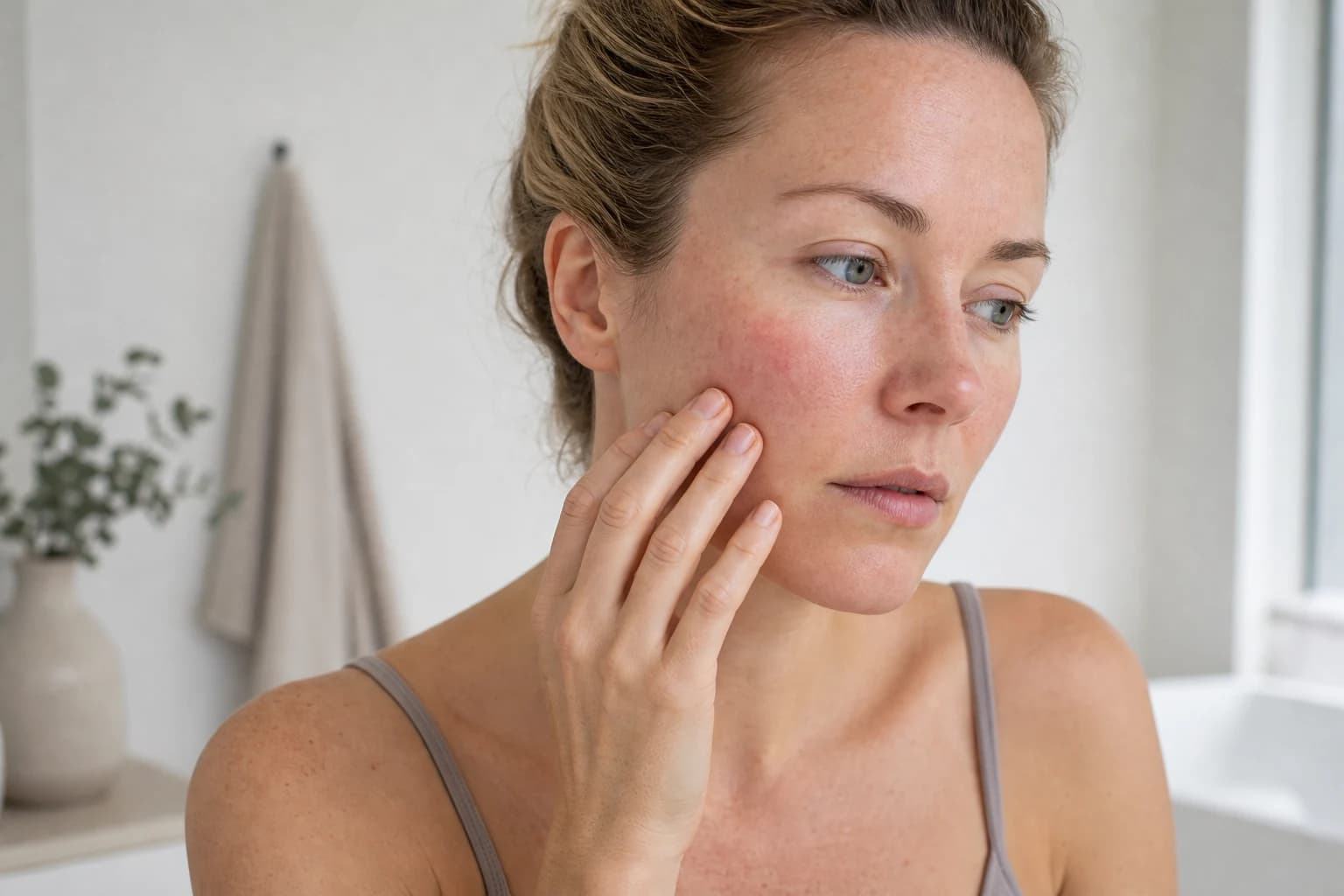
A burning sensation on the face can occur suddenly after using a new skincare product, or develop gradually following a period of using products with many active ingredients, frequent cleansing or a change in the weather. A burning sensation is a symptom, not a diagnosis, and it can have several causes. This guide will help you simplify your skincare routine and assess when you should see a doctor.
Why does the skin on your face feel like it’s burning?
A brief tingling sensation from a product isn’t always a sign of damage, but a distinct or persistent burning sensation should be taken seriously. Possible explanations include:
- Irritation: Over-cleansing, frequent exfoliation, acids, retinoids or using too many new products at once can irritate the skin.
- Irritant contact dermatitis: A substance can directly compromise the skin barrier without you being allergic to it.
- Allergic contact dermatitis: The immune system reacts to a specific allergen, such as certain fragrances or preservatives.
- An existing skin condition: Rosacea, atopic eczema and other skin conditions can cause a stinging sensation, warmth or redness.
- Sun, cold and wind: The weather can make already sensitive skin more reactive.
Sundhed.dk explains that contact dermatitis is often seen on the face and can be caused by either local irritation or an allergy. A definitive diagnosis of contact allergy requires patch testing by a dermatologist. Read the specialist overview on contact dermatitis in the Patient Handbook.
Irritation and allergy are not the same thing
With irritation, the reaction is often a matter of quantity and frequency: a product that the skin normally tolerates may become too much if used frequently or combined with other active products. With allergic contact dermatitis, even small amounts of a specific allergen can trigger a reaction once the allergy has developed.
It can be difficult to tell the difference yourself. Itching, redness, swelling, small blisters and flaking may occur with contact dermatitis, whilst a burning sensation and tightness can also result from ordinary irritation. If the problem recurs, you should have it assessed rather than trying to guess the cause.
A burning sensation on the face therefore does not, on its own, indicate whether the cause is irritation, an allergy or another skin condition.
A simple break routine
If your skin starts to sting after using a new cosmetic product, you can start simply:
- Stop using the product you suspect is causing the problem.
- Rinse gently with lukewarm water if the product has just been applied.
- Put exfoliants, acids, retinoids and perfumed products on hold.
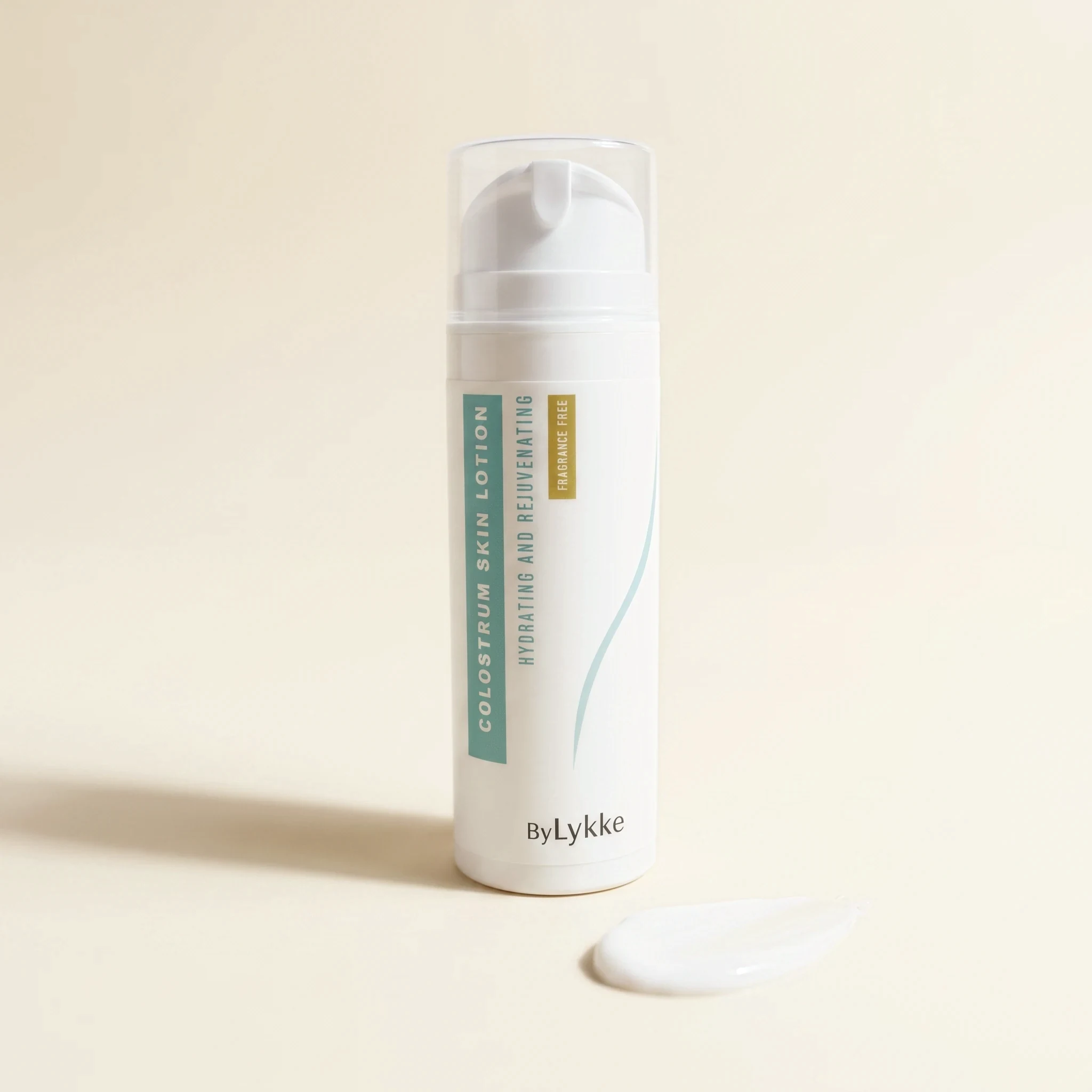
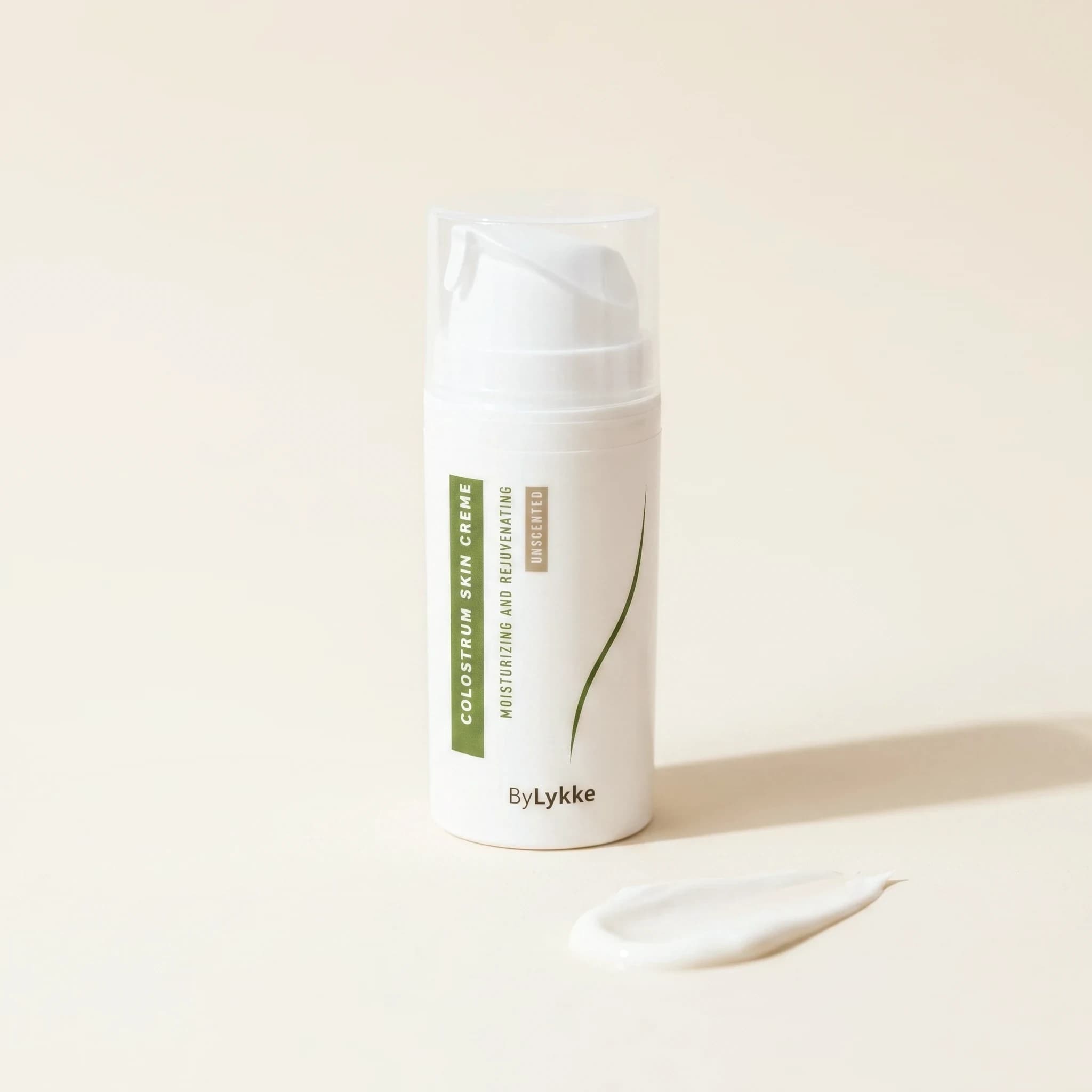
- Stick to a routine of gentle cleansing as needed and a simple, fragrance-free moisturiser that you know you can tolerate.
- Protect your skin from the sun with shade, clothing and a sun cream that your skin tolerates.
Avoid ‘neutralising’ one active product with another. Layering products can make it harder to identify the cause. Also, do not use prescription creams on your face without specific guidance.
When can you cautiously start again?
Wait until your skin has completely calmed down. Then introduce no more than one product at a time, leaving several days between each. First, try a small amount on a limited area of skin. Such a home test can show whether the product causes immediate irritation, but it cannot diagnose an allergy and is no substitute for a patch test carried out by a dermatologist.
Make a note of the product name, date and reaction. Keep the list of ingredients or take a photo of it. This makes it easier to spot a pattern and provides your doctor with better information.
Gentle care for a compromised skin barrier
When your skin feels dry and tight, the aim is not to follow a complicated routine. Choose just a few products and use small amounts. A fragrance-free cream can reduce moisture loss and make the skin feel more comfortable, but cosmetic skincare does not treat eczema, allergies or rosacea.
If you have a burning sensation on your face, a short and consistent routine is often easier to manage whilst you monitor how things develop.
If small red bumps rather than stinging are the main sign, our guide to red bumps on the face explains common possibilities and when to see a doctor.
You can find a more detailed explanation in our article on the skin’s barrier and sensitive skin and a specific routine in the guide to dry and sensitive skin.
When should you contact a doctor?
Book an appointment with your doctor if the reaction is severe, recurs, spreads or does not subside after the suspected product has been removed. Seek help more quickly if you experience:
- severe swelling around the eyes or lips
- blisters, sores, weeping skin or yellow scabs
- severe pain or a rash on only one side of the face
- fever, vision problems or a change in general well-being
- a reaction occurring after taking medication
If you experience rapidly increasing swelling, difficulty breathing, dizziness or suspect a severe allergic reaction, call 112.
Frequently asked questions
Why does my cream suddenly sting?
Your skin’s tolerance can change if its barrier is compromised by the weather, illness, exfoliation or other products. You may also develop a contact allergy over time. Stop using the product and have any recurring reactions assessed.
Is a burning sensation on the skin always an allergy?
No. A burning sensation on the face is often caused by irritation rather than allergic contact dermatitis, but the symptoms can be similar.
Can I use oil on my skin?
Oil can reduce moisture loss in some people, but a new oil-based product may also cause irritation. Wait until your skin has calmed down, and introduce only one product at a time.
How long does it take for the skin barrier to settle down?
It depends on the cause and the severity of the reaction. In the case of contact dermatitis, recovery can take a long time. See a doctor if symptoms persist.
This article provides general information and cannot be used to make a diagnosis.
Products that suit this article