Organic oils for the skin and the kitchen: Black cumin and olive
Cold-pressed organic oils can serve various purposes in the kitchen and in skincare. Learn how to read the label, use black cumin oil and olive oil correctly, and store them properly.

Organic oils may look the same in the bottle, but they are not necessarily intended for the same purpose. Some are sold as ordinary foodstuffs, others as dietary supplements or cosmetic oils. Before using an oil in food or on your skin, the label is therefore more important than broad claims about what the oil can do.
Here, we take a practical look at two cold-pressed organic oils from ByLykke: black cumin oil and Spanish olive oil. This guide focuses on usage, flavour, storage and safe use, not on the treatment of illness.
What does ‘cold-pressed oil’ mean?
Cold-pressing is a production method in which the oil is extracted from seeds or fruits without the intense heating used in certain refining processes. This helps to preserve the raw material’s characteristic flavour, aroma and colour. However, the term itself does not indicate that the oil has any specific health benefits or is superior for all purposes.
Always check:
- which plant and part of the plant the oil comes from
- whether the product is a food, a dietary supplement or a cosmetic
- the recommended use and any daily dose
- the use-by date and storage instructions
- whether the product is intended for internal or external use
Black cumin oil: Read the intended use and label
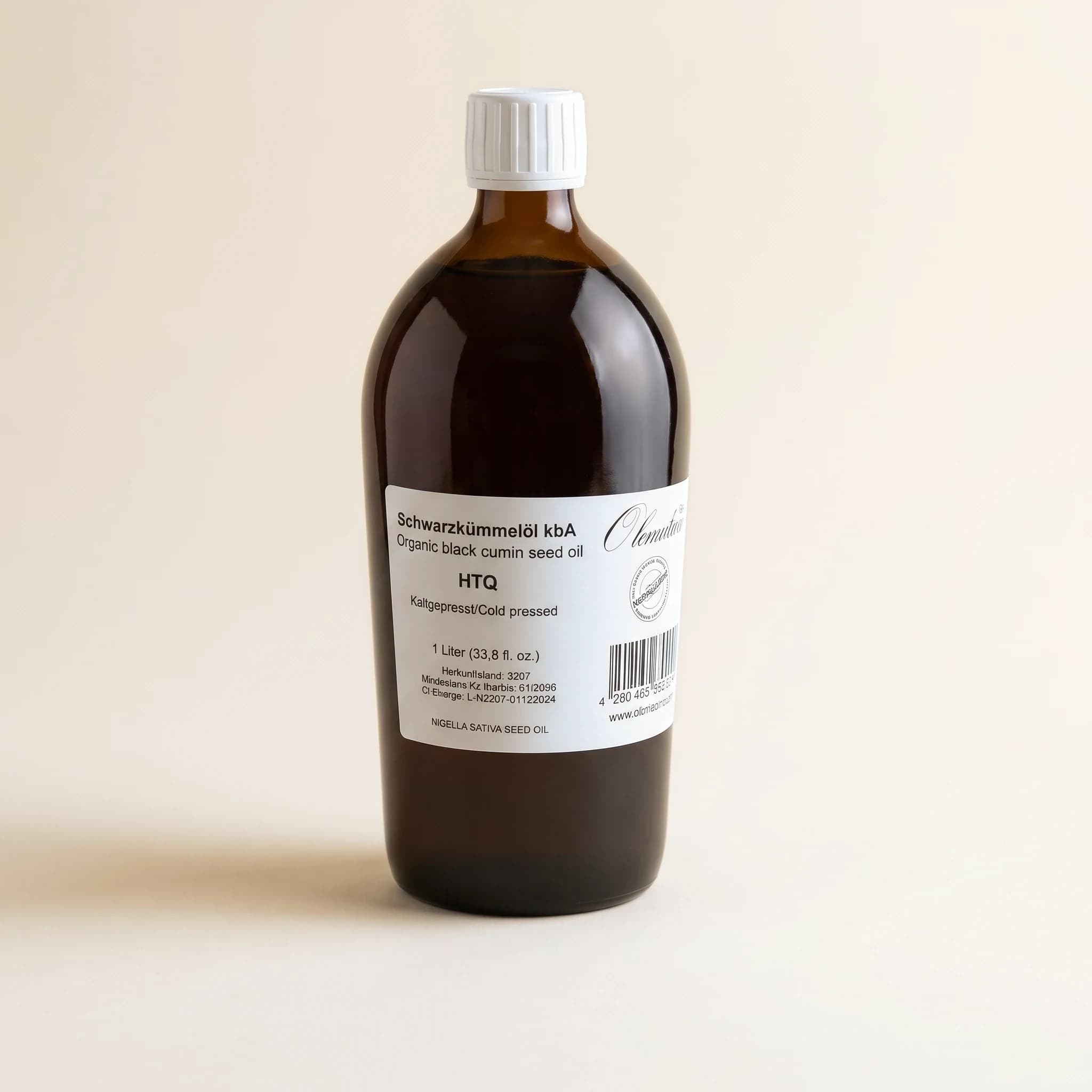
Black cumin oil is produced from the seeds of Nigella sativa and has a distinctive, spicy flavour. ByLykke Black Cumin Seed Oil HTQ states the thymoquinone content on the label. Thymoquinone is a natural compound found in black cumin, but a percentage figure does not in itself constitute evidence of a specific health benefit or treatment.
If the oil is marketed as a food supplement, you should follow the recommended daily dose stated on the product. Do not take more than the recommended dose in the hope of achieving a stronger effect. Dietary supplements must not be used as a substitute for a varied diet, and they must not be marketed as a treatment or cure for any illness. The Danish Veterinary and Food Administration sets out the requirements for the labelling and marketing of dietary supplements.
If you are pregnant, breastfeeding, taking medication or wish to give a plant-based dietary supplement to a child, you should consult a doctor or pharmacist first.
Spanish olive oil in the kitchen
ByLykke’s 1-litre organic olive oil and 5-litre Spanish olive oil are mild oils for use in the kitchen. They can be used, for example, in dressings, marinades, dips or drizzled over ready-made dishes.
When heating, follow the product’s instructions and avoid heating the oil until it smokes. The choice of cooking fat depends on temperature, flavour and the specific dish. ‘Cold-pressed’ describes the production method; it does not automatically mean that the oil should be used at high temperatures.
Can the same organic oils be used on the skin?
An oil can form a film on the skin’s surface and soften dry skin by reducing moisture loss. However, a food product is not automatically developed or tested for use as a cosmetic. You should therefore check whether the manufacturer specifies external use, and never use an oil on damaged skin if it is labelled solely as a food product or dietary supplement.
If you want to try an oil for cosmetic purposes, start on a small area of skin. Stop immediately if you experience a stinging sensation, itching, swelling or persistent redness. ‘Natural’ and ‘organic’ do not mean ‘hypoallergenic’. If you have eczema, an infection, open sores or recurring skin reactions, you should have your skin assessed rather than trying to treat it with a cooking oil.
How to store oil
Light, heat and oxygen can degrade oil over time. Three simple habits will help:
- Store the bottle as per the instructions on the label, typically in a dark place and away from a hot hob.
- Close the lid tightly after use.
- Keep an eye on the ‘best before’ date and any shelf life after opening.
The smell and taste of oil can change when it goes rancid. Discard it if it smells or tastes noticeably off, or if the packaging is damaged.
Frequently asked questions
Is cold-pressed always better than refined?
No. The methods result in different properties. The right choice depends on the intended use, the flavour and the product’s instructions.
Is 1.84% thymoquinone evidence of a health benefit?
No. It is information about the content of a specific product, not a promise of prevention or treatment.
Can I take more black cumin oil than the label states?
No. If the product is a dietary supplement, the recommended daily dose must not be exceeded.
Can olive oil be used on dry skin?
An oil may make the skin feel softer, but check that the product is suitable for external use and test it on a small area first.
Can oil replace cream or medical treatment?
No. Oil does not moisturise the skin or treat skin conditions. Use any prescribed treatment as agreed with your doctor.
This article provides general information. Always follow the instructions and intended use specified on the product label.
Products that suit this article
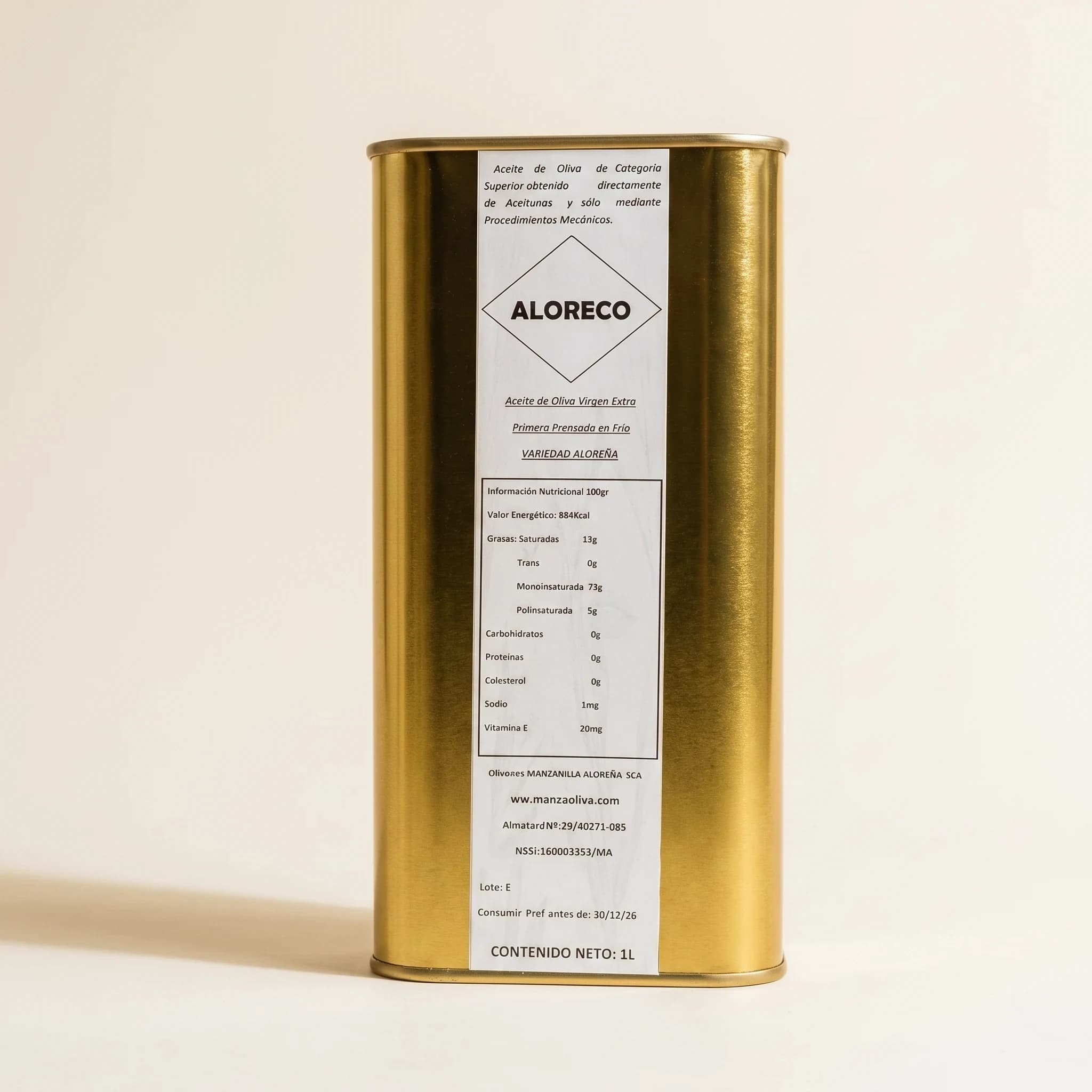
Spanish Olive Oil, 5 l
Spanish Aloreña, cold-pressed in a 5-litre tin
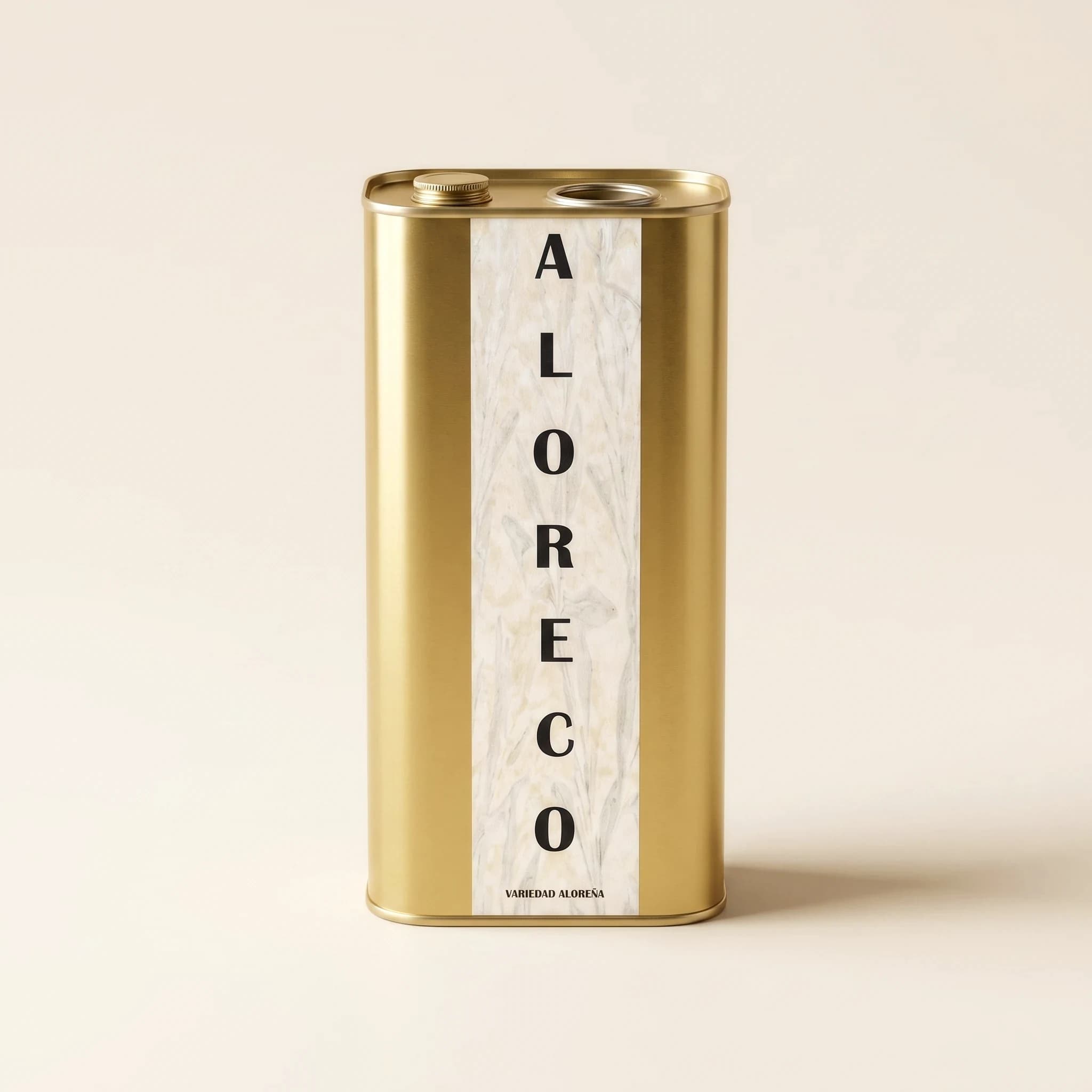
Olive Oil, 1 l, organic cold-pressed
Spanish Aloreña, mild cold-pressed virgin oil