
Hives: Symptoms, causes and course explained
Hives cause itchy, swollen areas on the skin. Get an overview of symptoms, types, causes and course, and see when you should contact a doctor or pharmacist.
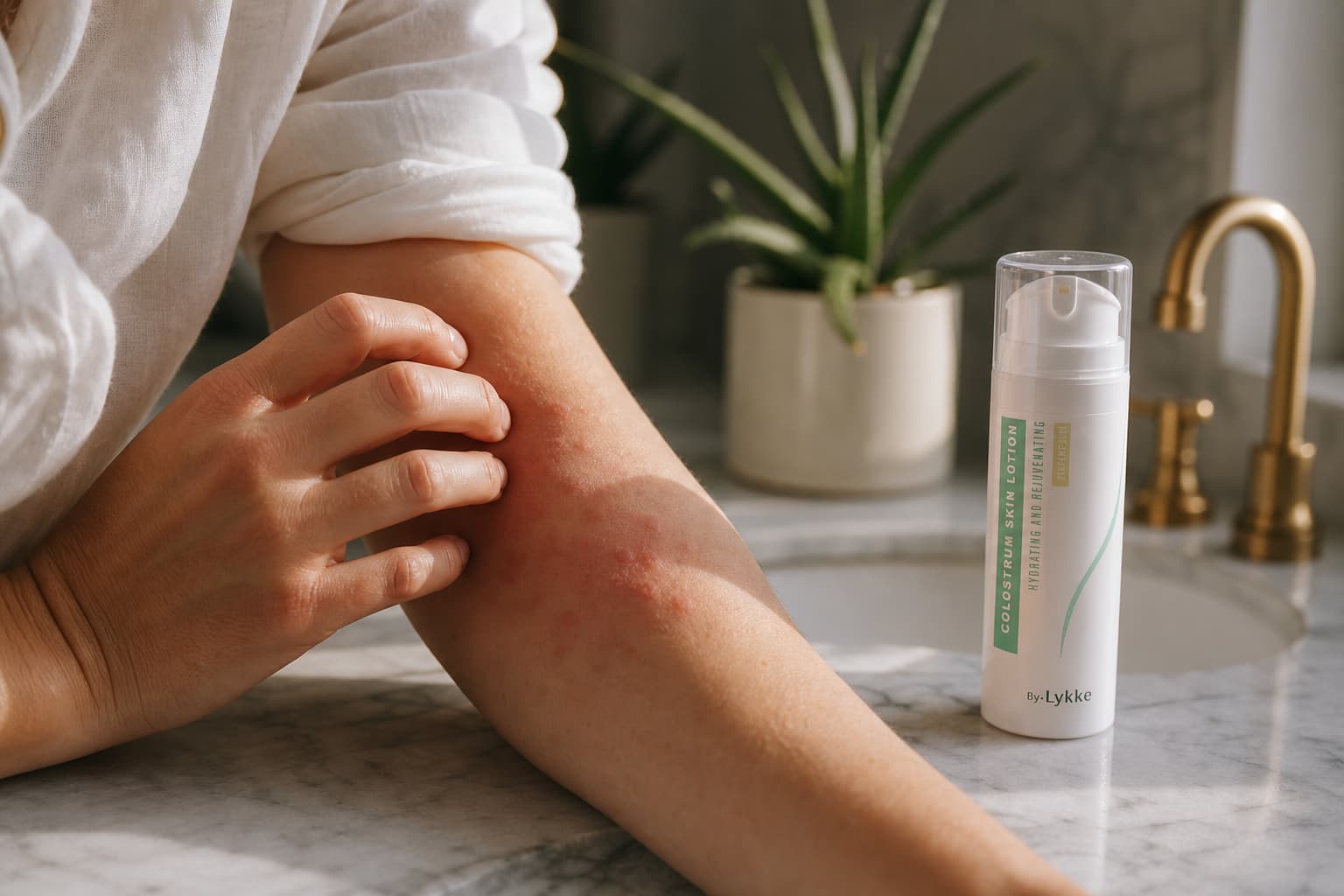
Hives are one of the most common skin reactions and appear as reddish, swollen areas on the skin that itch. The name comes from the fact that the rash can resemble what you get from touching stinging nettles. The reaction is due to the body releasing histamine, which makes the skin itch and burn. This guide explains symptoms, types, causes and course, so you can better understand what is happening.
Important: This article is informational. With hives, especially if they are severe or recurring, you should talk to a doctor or pharmacist about the right treatment. If you get swelling in the face, lips or throat or difficulty breathing, you must seek emergency help.
What are hives?
Hives (medically: Urticaria) appear as a swollen, reddish or pale rash that itches. The swellings are often called weals or wheals. The rash can appear anywhere on the body, move around and vary in size within a short time. A typical feature is that a single area usually disappears again within 24 hours, while new ones can appear elsewhere.
Acute or chronic hives
- Acute hives last from a few hours to some weeks and are the most common form. They often clear up on their own.
- Chronic hives are defined as hives that persist for more than six weeks. Here it is important to be assessed by a doctor.
Symptoms of hives
- Itchy rash with red or pale swellings
- A burning or stinging sensation in the skin
- A rash that can move and change size over a short time
- Single weals that disappear within a day
Causes of hives
Hives are triggered when the body releases histamine. It can have many causes, and sometimes you never find a precise trigger. Typical causes are:
- Allergy: for example food, medication or insect bites
- Medication: for example certain types of antibiotics or painkillers
- Infections: a virus or cold can trigger it
- Physical factors: cold, heat, pressure or sunlight in some people
- Stress
Hives can appear within a few minutes and affect a great many people at some point in life.
What do you do about hives?
When the discomfort is due to histamine, antihistamines can often help. Talk to a doctor or pharmacist about correct treatment, especially if the hives are severe, keep coming back or become chronic. While it lasts, it can help to avoid known triggers, cool the skin and avoid scratching.
Care for delicate skin every day
When the skin is otherwise delicate, a mild, fragrance-free skincare routine can feel good in everyday life. ByLykke's products are fragrance-free and based on natural oils, a gentle choice for daily care of delicate skin. For extra dry areas organic rosehip seed oil can give the skin nourishment, and organic lavender water is a mild, alcohol-free facial mist for delicate skin.
Frequently asked questions
Are hives contagious?
No, hives do not spread.
How long do hives last?
Acute hives often clear up within a few hours to weeks. If it lasts more than six weeks, it is called chronic, and you should talk to your doctor.
Can hives be prevented?
If you know your triggers, you can try to avoid them. Often, though, the cause is hard to find.
Read also: Sensitive facial skin: Causes, signs and gentle care.
Note: ByLykke's products are cosmetic skincare, not medicines, and are not a treatment for hives.
Products that suit this article
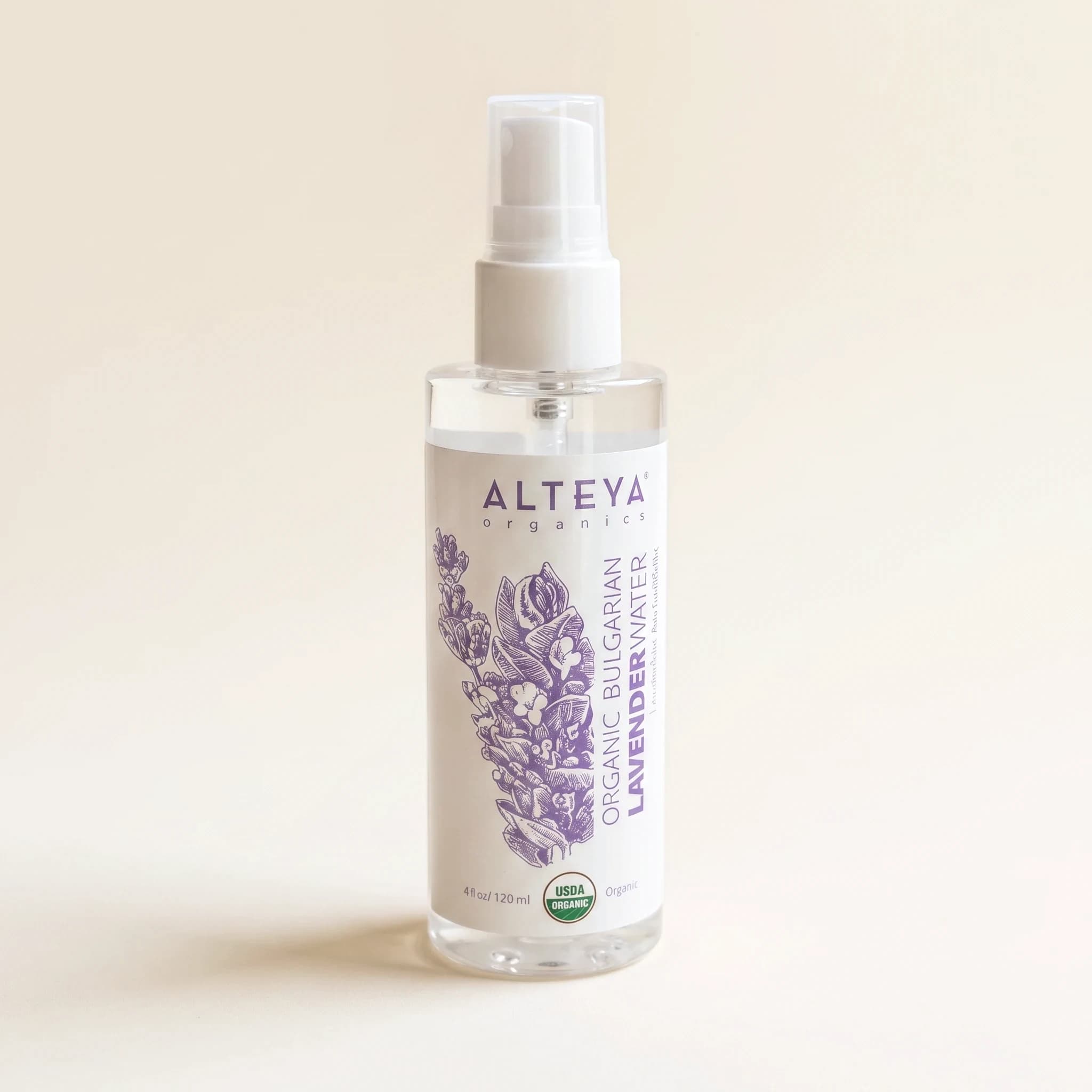
Organic Lavender Water, 100 ml
Alcohol-free toner with calming lavender scent
Only 3 left
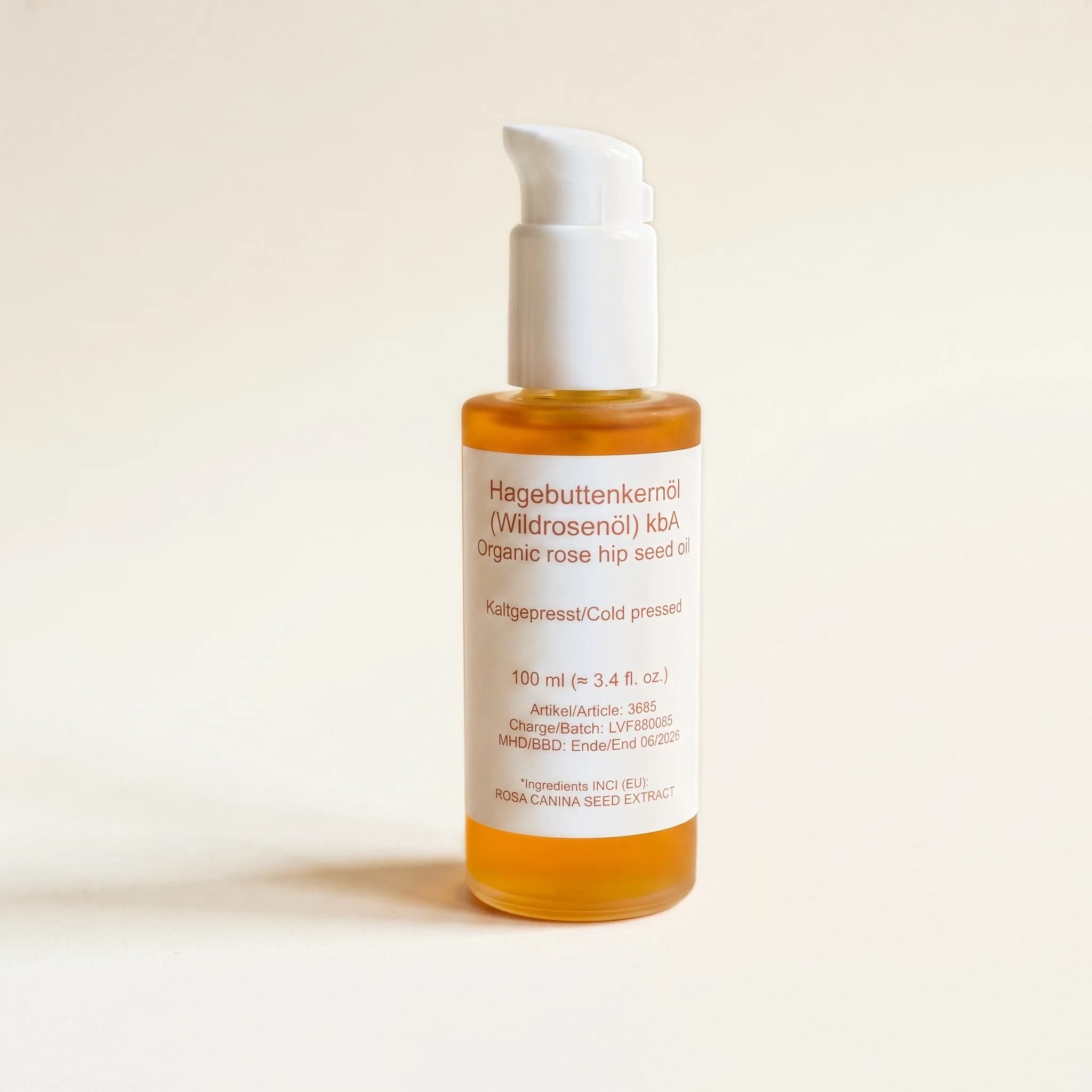
Organic Rosehip Seed Oil, 100 ml
Nourishing face oil with vitamin A, for delicate skin