Sun allergy: Symptoms, causes, prevention and care
Red, itchy rash after the sun? Get the full overview of sun allergy, symptoms, causes, course and prevention, plus gentle care advice for delicate skin, and when to talk to a doctor or pharmacist.
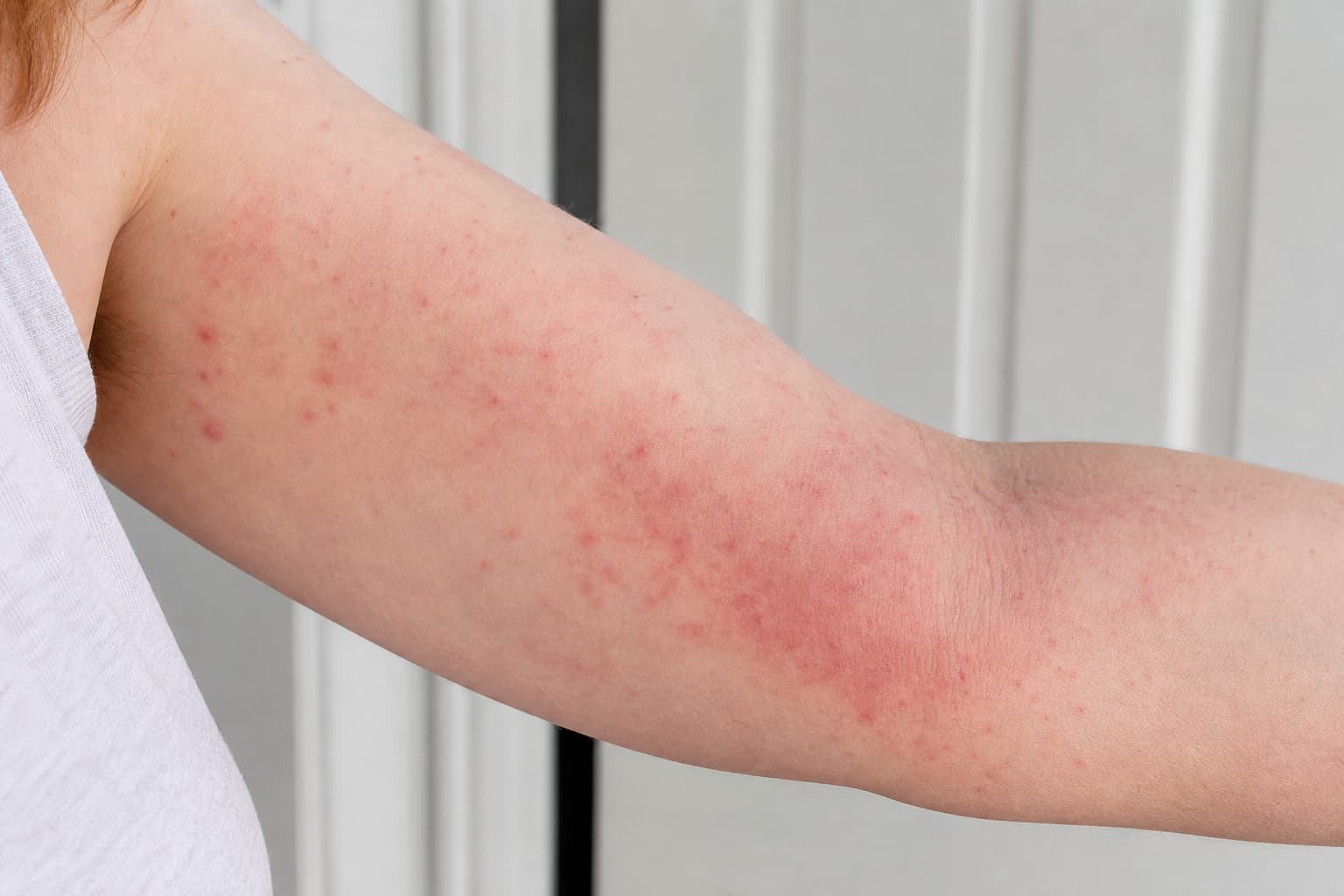
Have you developed a red, itchy rash after being in the sun? It may be a sun allergy (also called polymorphic light eruption), one of the most common hypersensitivity reactions to the sun's rays. It particularly strikes in spring and at the beginning of summer, when the skin meets strong sun for the first time after winter. This guide gives you a thorough overview of symptoms, causes, course and prevention, as well as gentle care advice for delicate skin.
Important: This article is informational. With a sun allergy and other skin reactions you should talk to your doctor or pharmacist about the right treatment, especially if the symptoms are severe or recurring.
What is a sun allergy?
A sun allergy is the skin's hypersensitive reaction to UV rays. Unlike ordinary sunburn, which is a burn, a sun allergy is a reaction in which the immune system responds to sunlight. The most widespread form is called polymorphic light eruption, where "polymorphic" means that the rash can look different from person to person. For most people a sun allergy is harmless, but it can be bothersome and itch a lot.
Symptoms of a sun allergy
The signs typically appear from 30 minutes to several hours after sun exposure, and most often on the areas that have been most exposed, for example the neck, chest, arms and shoulders:
- Small bumps or blisters in groups
- Itchy red patches
- Skin that feels like it is burning
- A feeling of sunburn, even without being burnt
- Small fluid-filled blisters in the worst cases
If you are unsure about your symptoms, always contact your doctor for a proper assessment.
Why do you get a sun allergy?
A sun allergy occurs because the skin reacts to the sun's UV rays. Some factors can increase the risk:
- Fair skin that is not used to sun
- Sudden, intense sun exposure, for example on a holiday in the south or the first sunny days of spring
- Tanning beds
- Certain types of medication that make the skin more light-sensitive (ask your doctor or pharmacist if you are in doubt)
A sun allergy is more common in women and often appears for the first time in the 20s and 30s, but it can affect people of all ages.
Course: How long does a sun allergy last?
In many cases the rash clears up on its own within 10 to 14 days, if the skin is not exposed to more sun. For some people the skin gradually adjusts to the sunlight over the season, so the reactions become milder. If the sun allergy returns every summer, your doctor can advise on what you can do in advance.
What do you do about a sun allergy?
While the skin calms down, this advice can make it more bearable:
- Cool the skin down with, for example, a cool, damp cloth
- Avoid further sunlight until the skin feels better
- Cover exposed areas with loose cotton clothing
- Do not scratch, as it can make the irritation worse
With strong symptoms the pharmacy can advise on over-the-counter remedies, always talk to a doctor or pharmacist.
Aftersun and daily care for delicate skin
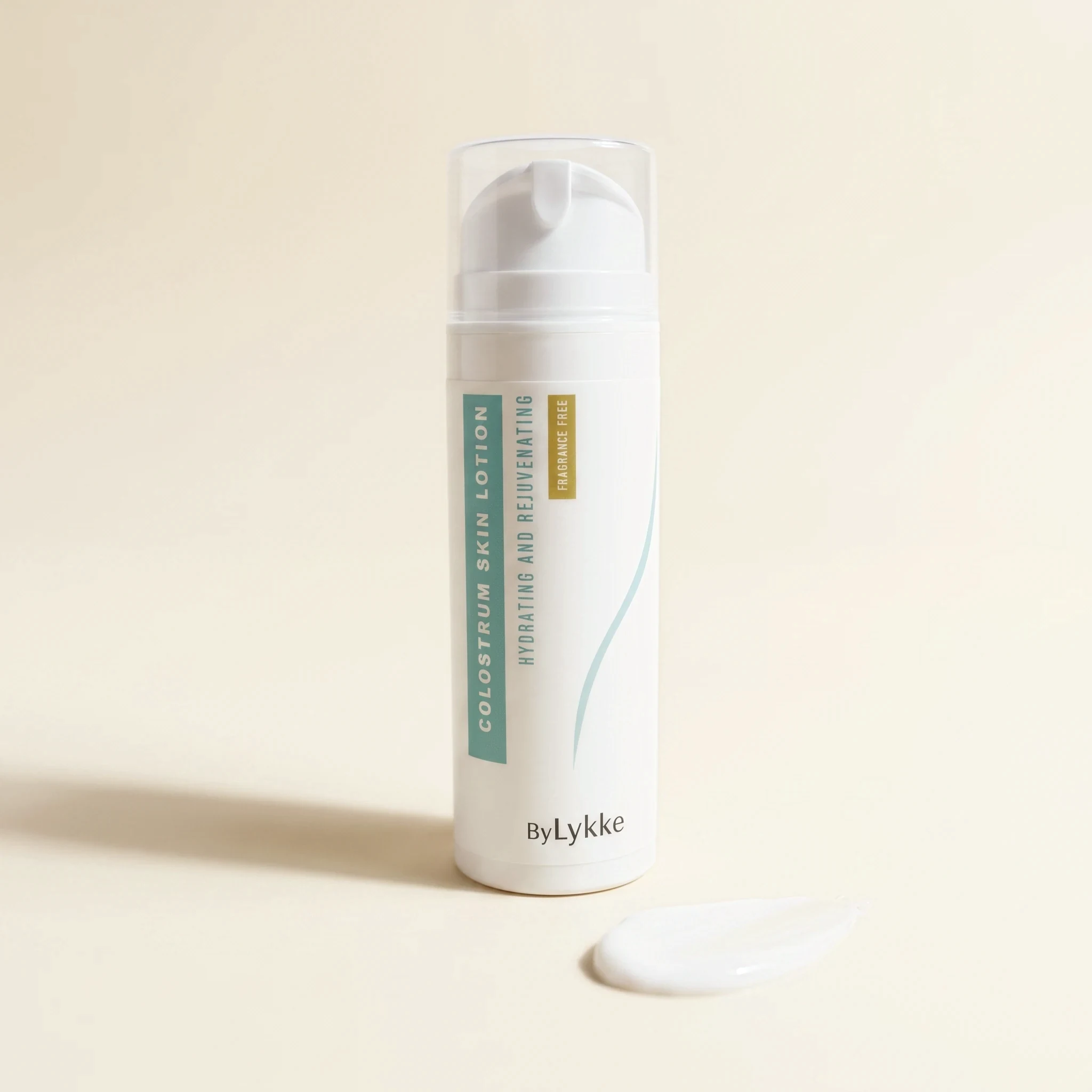
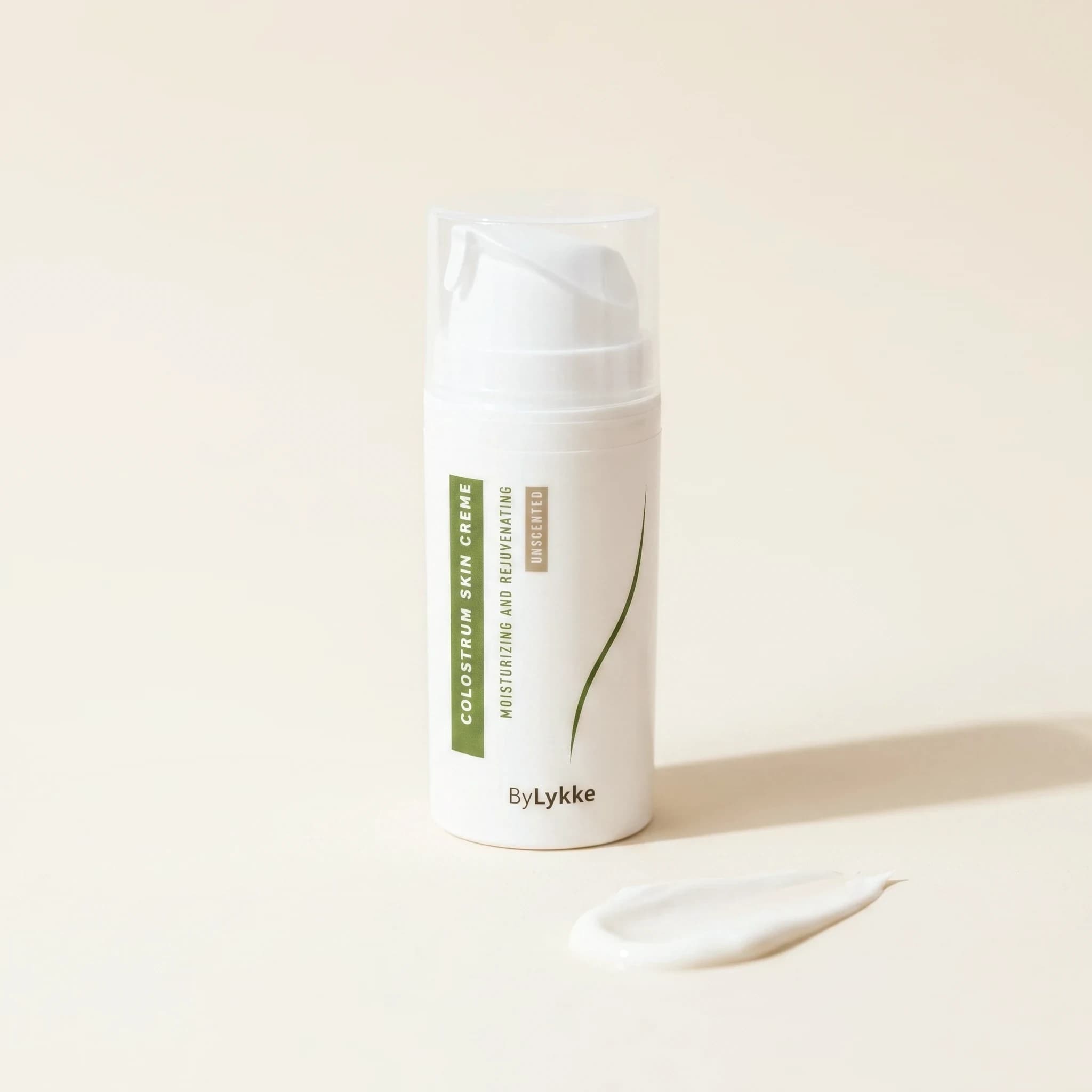
Delicate skin feels good with moisture after a day outdoors. ByLykke Colostrum Skin Lotion is fragrance-free and can be used as a gentle aftersun and for daily care of dry, delicate skin. A combination of ByLykke Creme and rosehip seed oil is also good winter care for delicate skin that needs extra nourishment.
Note: ByLykke's products are cosmetic skincare, not medicines, and are not a treatment for a sun allergy. Nor do they replace sunscreen.
Preventing a sun allergy
The most important thing is to protect the skin from UV rays, especially at the start of the season:
- Use sunscreen: SPF 30 to 50 with UVA and UVB protection, about 30 min before the sun, and reapply during the day.
- Protect with clothing: Long sleeves, a sun hat and UV-protective clothing.
- Avoid the sun in the middle of the day: Seek shade between 10 am and 2 pm.
- Let the skin adjust gradually in the spring sun instead of getting a lot of sun at once.
Always follow the current sun advice from the health authorities.
Frequently asked questions about sun allergy
Is a sun allergy the same as sunburn?
No. Sunburn is a burn of the skin, while a sun allergy is a hypersensitivity reaction to UV rays. You can get a sun allergy without being burnt.
Can you prevent a sun allergy completely?
You can reduce the risk significantly with sunscreen, clothing and shade, and by letting the skin adjust gradually. If you are very troubled every year, talk to your doctor.
Does a sun allergy go away on its own?
Often yes, within 10 to 14 days, if the skin gets no more sun. With strong or persistent symptoms you should contact a doctor or pharmacist.
Does aftersun help against a sun allergy?
Aftersun and moisturiser can make dry, warm skin more comfortable, but they do not treat the sun allergy itself. It is sun protection and possibly the doctor's advice that are decisive.
Read also: The skin barrier: How to look after delicate skin.
Products that suit this article
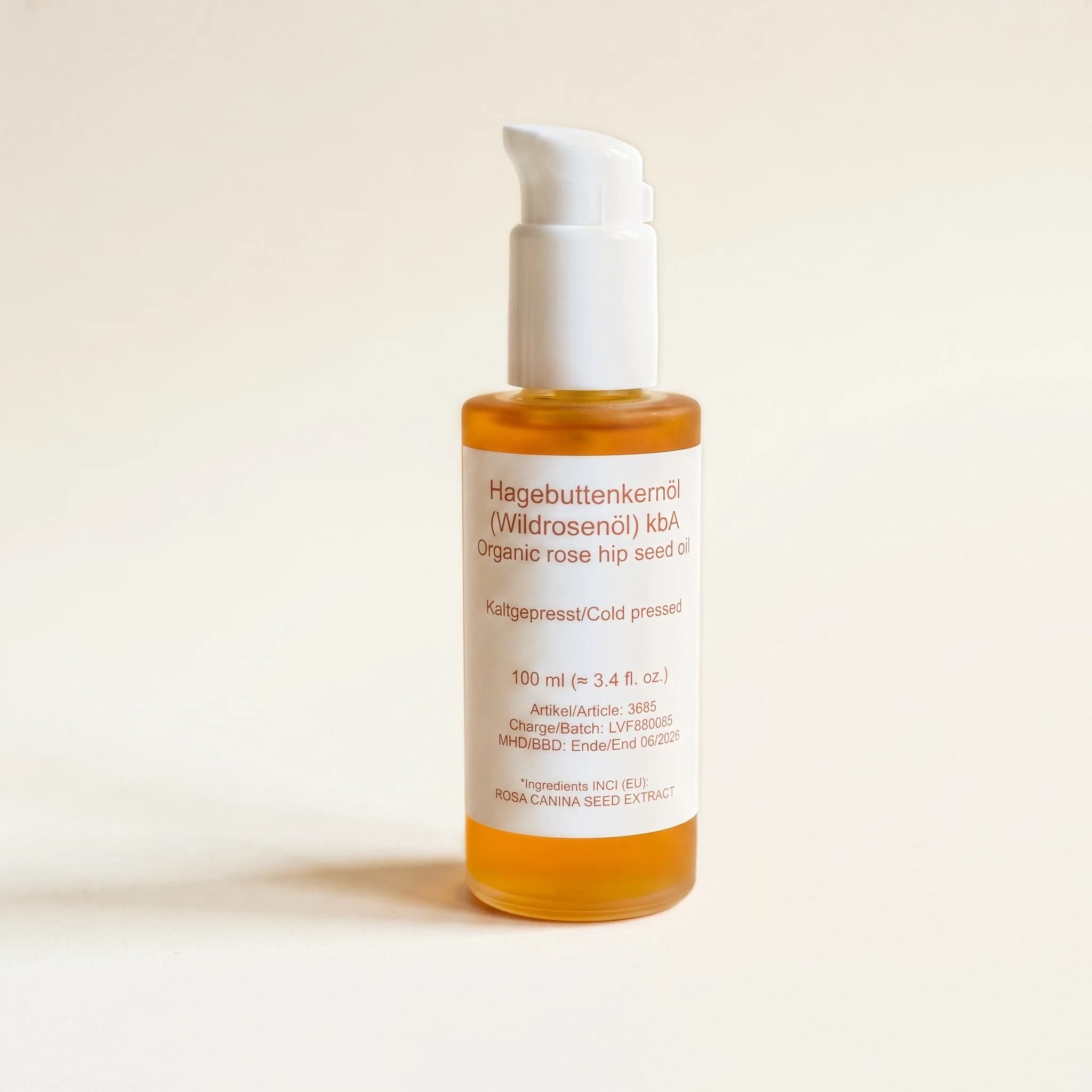
Organic Rosehip Seed Oil, 100 ml
Nourishing face oil with vitamin A, for delicate skin